Bed Bug Exterminator: Trusted Experts for Homes with Safe Treatments
Top Reasons Thermal Treatment Is Vital for Efficient Bed Bug Eradication
Heat treatment has become an essential approach in the fight against bed bugs. This technique efficiently eliminates all life stages of these pests, ensuring thorough eradication. In contrast to chemical treatments, thermal energy permeates multiple surfaces, reaching areas often overlooked. Furthermore, it provides ecological and health advantages. Recognizing the differences of heat treatment versus other techniques can shed light on its growing popularity. What distinct benefits set this approach apart?
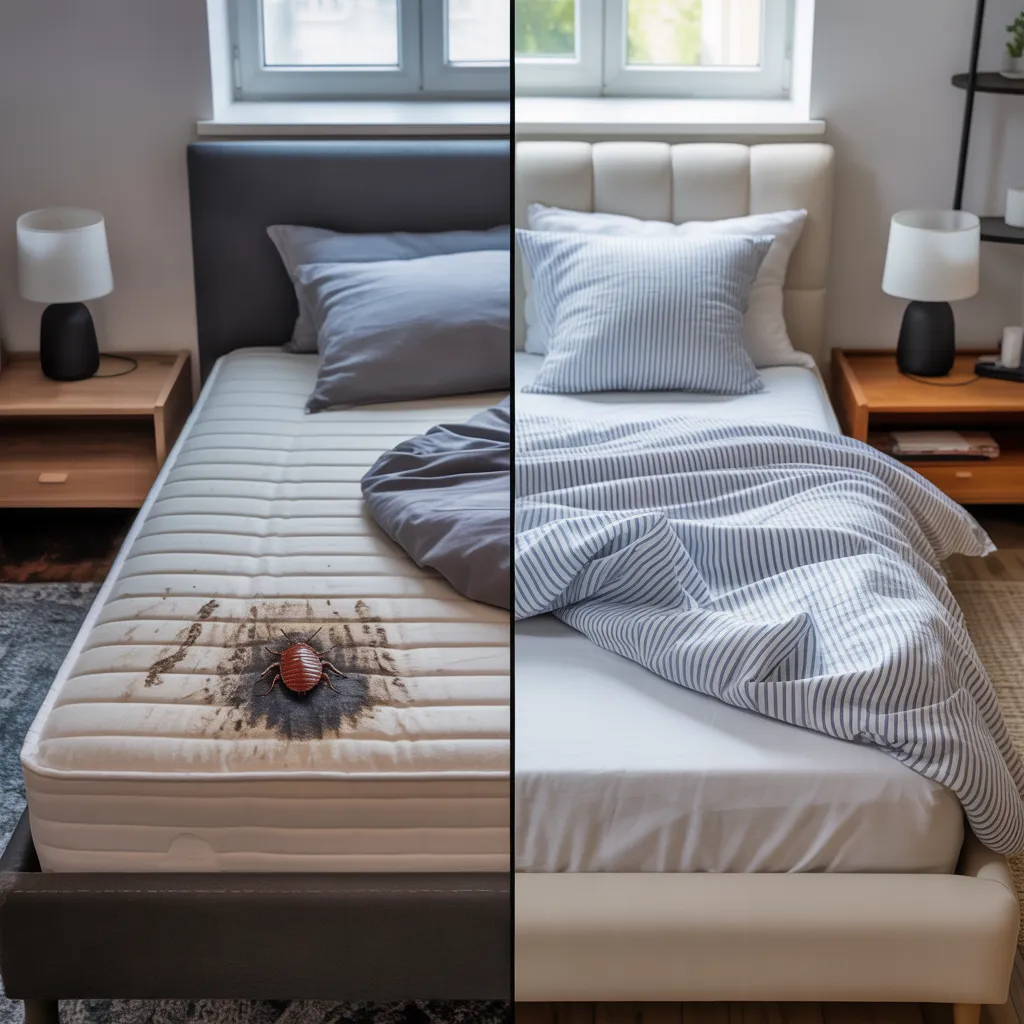
How Heat Treatment Effectively Eliminates Bed Bugs
Heat treatment is recognized as a powerful method for exterminating bed bugs, employing high temperatures to target these persistent pests. This procedure involves increasing the surrounding temperature of infested areas to levels that are lethal to bed bugs and their eggs. Typically, temperatures of around 120°F (49°C) are adequate to eliminate bed bugs within minutes.
In contrast to conventional pesticides, which may leave behind residues and require repeated applications, heat treatment penetrates all surfaces, guaranteeing complete coverage. It successfully targets concealed spaces including cracks, crevices, and fabric surfaces, where bed bugs often hide.
In addition, heat treatment is eco-friendly, as it does away with the need for chemical treatments that could endanger the health of humans and pets. By steadily boosting the temperature and maintaining it for a defined length of time, heat treatment not only eliminates existing infestations but also serves to prevent future outbreaks, making it a critical approach in the control of bed bugs.
Bed Bug Life Cycles: Essential Information You Should Know
Grasping the lifecycle of bed bugs is crucial for effective control strategies. This involves recognizing their multiple life stages, reproductive rates, and how environmental conditions affect their patterns. Knowledge of these aspects can considerably assist in managing infestations.
Bed Bug Life Cycles
The bed bug developmental cycle consists of several distinct stages that play a critical role in successful pest management. The cycle starts at the egg phase, in which a female bed bug deposits as many as five eggs per day, each measuring approximately 1 millimeter. After about a week, the eggs develop into nymphs, which go through five molting phases prior to achieving full maturity. Each nymph requires a blood meal to molt successfully. Adult bed bugs are typically brown and may survive for several months without eating. Recognizing these developmental stages is essential for pest management, as different stages may require specific treatment strategies. Proper management requires focusing on all developmental stages, especially the eggs and young nymphs, in order to break the cycle and avoid future infestations.
Breeding Patterns and Infestation Rates
While bed bugs are capable of remaining dormant for long periods of time, their reproductive potential can lead to fast-developing infestations. A single female bed bug can deposit as many as five eggs per day, accumulating hundreds throughout her life. These eggs hatch in about seven to ten days under ideal conditions, permitting new nymphs to commence feeding shortly after. This rapid life cycle indicates a small initial population can quickly turn into a full-blown infestation. Additionally, bed bugs reproduce throughout the year, making them a constant threat in any environment. Their resilience and high reproductive rates challenge control efforts, emphasizing the need for effective treatment methods, such as heat treatment, to break their reproductive cycle and prevent further spread.
Effect of Environmental Factors
Environmental conditions significantly impact the biological cycles of bed bugs, influencing their growth, reproduction, and survival rates. Temperature is a critical factor; warm environments promote faster growth, while lower temperatures may suppress development and breeding. Humidity also plays a role in bed bug activity; increased moisture levels improve their survival and reproductive success, as these pests require moisture for ideal health. Furthermore, access to food sources, specifically human blood, is vital for their lifecycle continuity. When food sources are limited, bed bugs may enter a dormant state, lengthening their survival period until circumstances become more favorable. Recognizing these environmental factors is crucial for developing successful bed bug management approaches, especially when applying heat treatments designed to disturb their life cycles through the creation of unfavorable conditions.
Heat Treatment vs. Chemical Treatments: Which Is Most Effective?
In terms of eradicating bed bugs, which solution is superior: chemical solutions or heat treatment? The heat treatment process entails elevating temperatures in affected spaces to deadly degrees, successfully eradicating all developmental stages of bed bugs, from eggs to adults. This solution presents a complete strategy, confirming that the complete infestation is dealt with in a single session.
By comparison, chemical treatments typically focus on specific life stages and could necessitate repeated treatments. Moreover, bed bugs are capable of developing resistance to specific chemical agents, complicating treatment efforts. While chemicals may be effective in specific cases, they commonly demand ongoing monitoring and reapplication.
Ultimately, heat treatment is recognized for its capability to provide immediate results without the danger of chemical resistance. It offers an comprehensive solution, minimizing the chance of a recurrence. In many cases, the use of heat treatment is not only more efficient but also a considerably more trustworthy method for lasting bed bug control.
The Eco-Friendly Advantages of Heat Treatment
Heat treatment not only serves as an effective method for bed bug eradication but also offers substantial environmental advantages. In contrast to chemical solutions, which frequently introduce dangerous pesticides into the ecosystem, heat treatment depends entirely on raised temperatures to eradicate pests. This method considerably reduces the reliance on toxic substances, minimizing the risk of chemical exposure to humans, pets, and wildlife.
Moreover, heat treatment is a one-time process that can remove bed bugs at all life stages, decreasing the necessity for numerous applications that could lead to environmental pollution. By eradicating pests within furniture, carpets, and other home furnishings, it also promotes a greener method of pest management. Furthermore, as heat treatment does not leave behind chemical residues, it promotes a purer indoor setting, enhancing the quality of indoor air. In summary, heat treatment exemplifies an eco-friendly approach to pest management, supporting wider environmental conservation objectives.
How Heat Treatment Protects Your Family and Pets
Selecting heat treatment for bed bug control not only resolves pest issues effectively but also emphasizes the safety of families and pets. This method employs high temperatures to exterminate bed bugs at all life stages without the need for toxic substances. Unlike traditional pesticide treatments, which can leave behind toxic residues and cause health concerns, heat treatment offers a non-toxic alternative, guaranteeing that home environments remain protected for families and animals.
Moreover, heat treatment is complete, penetrating furniture, bedding, and other hiding spots where bed bugs hide. This complete approach decreases the likelihood of reinfestation, thus maintaining a cleaner home environment. Families can rest easy knowing that their pets are not exposed to toxic substances, and they can resume use of their living spaces promptly, often within hours of treatment. All in all, heat treatment offers a reliable, thorough, and environmentally conscious solution for bed bug elimination.
Expectations During Heat Treatment
When undergoing heat treatment for bed bug elimination, homeowners can expect a systematic approach that involves careful preparation and monitoring. Technicians typically begin by evaluating the infested areas, locating key areas where bed bugs tend to congregate. This initial assessment allows for targeted treatment, guaranteeing that all essential areas receive adequate heat exposure.
After treatment is initiated, advanced equipment elevates the temperature in the affected space to a lethal level for bed bugs. Residents may experience higher temperatures and could be instructed to leave the property for a few hours to ensure safety and effectiveness. Constant oversight is critical, with technicians using thermal sensors to verify that temperatures stay within the optimal range.
Following the treatment, a follow-up inspection is often scheduled to assess how well the heat treatment performed and ensure that the bed bug infestation has been completely resolved. This methodical process greatly improves the chances of effective bed bug elimination.
Tips for Preventing Future Bed Bug Infestations
Even though bed bug infestations can be hard to get rid of, adopting preventive strategies can significantly lower the chances of future infestations. A practical approach includes routinely checking sleeping areas, like bed frames, mattresses, and furniture, for indications of bed bug activity. Reducing clutter can further remove possible hiding places, which makes identification more straightforward.
Guests are advised to check hotel rooms for indications of bed bugs prior to unpacking, as these insects commonly catch rides in suitcases. Sealing cracks and crevices in walls and furniture will additionally discourage bed bugs from invading sleeping areas. Moreover, utilizing mattress protectors can provide a barrier against pest infestations.
Regular vacuuming and washing bedding in hot water can eradicate any possible eggs or insects. Ultimately, staying informed and educating family members about how to identify bed bugs can empower individuals to act swiftly if an outbreak reoccurs.
Common Questions and Answers
What Is the Typical Duration of Heat Treatment?
The heat treatment process typically takes anywhere from six to eight hours, depending on the severity of the infestation and the size of the area being treated. Careful monitoring ensures that temperatures achieve the levels necessary to eliminate bed bugs.
Am I Able to Stay in My House During Heat Treatment?
During heat treatment, it is generally advised to leave the home to ensure safety and effectiveness. The extreme heat can see the details be dangerous, and leaving guarantees thorough treatment without interruption, maximizing the chances of eliminating bed bugs completely.
Does Heat Treatment Work for All Types of Bed Bug Infestations?
Heat treatment is generally effective for most bed bug infestations, addressing all stages of the bed bug life cycle. Nevertheless, its effectiveness may depend on variables such as the extent of the infestation, the length of treatment, and adequate preparation of the impacted area.
What Should I Do With My Personal Items Before Treatment?
Before treatment, residents should seal all clothing and linens in bags, thoroughly vacuum all furniture, and remove items from the infested area. Any belongings that can withstand heat should be run through the dryer as an added precaution.
How Regularly Should I Arrange Heat Treatments for Prevention?
Planning heat treatments every six to twelve months is advisable for maintaining prevention. Regular assessments of potential infestations, combined with timely treatments, assist in maintaining a pest-free environment and lower the likelihood of bed bug reoccurrences.